Should dog grooming be regulated?
The current state of the UK grooming industry often comes as a shock to pet parents. While we live in a nation that prides itself on strict animal welfare laws, the reality is that the person styling your dog isn't legally required to hold a license. In the UK, anyone can buy a pair of clippers, open a shop, and call themselves a professional. While sectors like dog boarding and breeding require local authority inspections and mandatory licenses, grooming remains a glaring exception, operating largely on a "self-regulated" basis.
This lack of oversight creates a worrying inconsistency in care. Without mandatory regulation, there is no guarantee that a groomer has been trained in canine behaviour, anatomy, skin and health conditions, or—most importantly—emergency first aid. We believe that regulation is essential because grooming isn't just about a "cute haircut." It involves sharp tools, high-heat dryers, and the handling of animals that may be stressed, elderly, or have hidden health issues. A regulated industry would ensure that every salon meets a baseline of wellbeing and safety, from proper ventilation to the use of safe tethering equipment, moving away from a system that relies on hoping for the best.
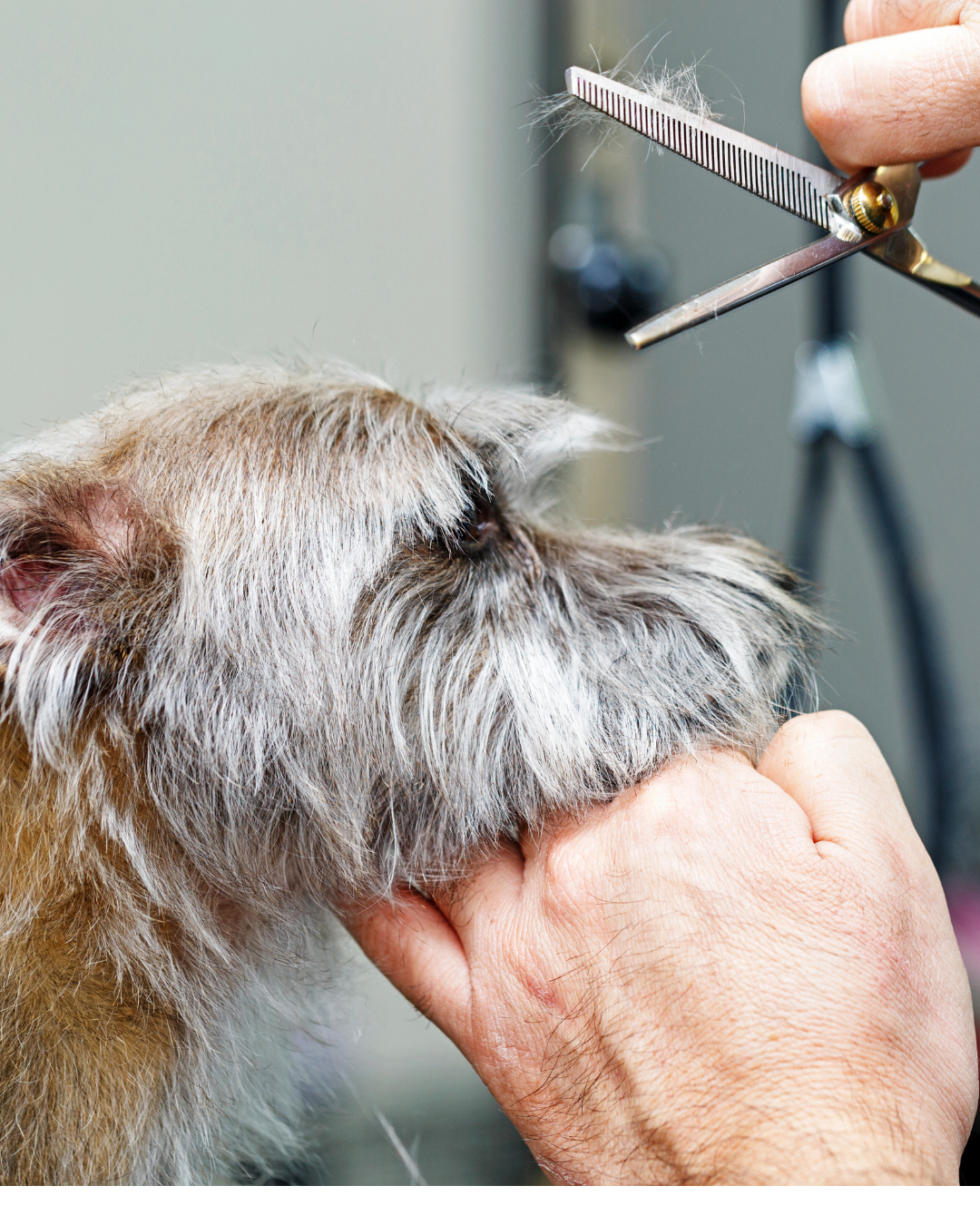
Professional dog grooming involves far more than simply bathing and styling dogs. Qualified groomers undertake extensive training covering canine anatomy, coat types, skin health, behaviour, handling skills, health and safety, first aid, grooming techniques, and breed-specific styling. Groomers work hands-on with dogs of all ages, temperaments, and needs, requiring both technical skill and a deep understanding of canine welfare and behaviour. As the industry continues to evolve, ongoing education is essential, with many groomers regularly attending seminars, workshops, certifications, and advanced courses to improve their knowledge and practical skills continually. Increasingly, professional groomers are expanding their expertise alongside other canine professions through further study in areas such as canine behaviour, massage therapy, nutrition, and welfare, highlighting the important role grooming plays within the wider canine care industry.
However, any conversation about regulation must acknowledge the "old school" groomers who have spent decades perfecting their craft. These professionals are often the backbone of the industry, having self-taught their way to mastery long before formal diplomas were even a standard option. Their years of experience mean they can handle a difficult temperament with a calmness no textbook can teach, and their "eye" for a breed-standard cut is often sharper than someone fresh out of a six-week course. To suggest they aren't "qualified" simply because they don't have a piece of paper would be a massive disservice to their talent.
The solution isn't to push these experts out, but to bring them into a system that finally recognises their worth. In a regulated UK market, "Grandfather rights" could allow experienced groomers to have their years of service recognised as a formal qualification. Given these pros, getting certified shouldn't be about learning how to cut hair; it should be about validating their expertise and ensuring they are up to speed on modern safety and first-aid protocols. Regulation would actually protect these veterans by preventing "cowboy" operators from undercutting their prices and damaging the industry's reputation.
Ultimately, we believe grooming should be regulated to raise the "floor" of the industry. It's about ensuring that the person opening a new shop tomorrow has undertaken training or at least a fraction of the knowledge that an experienced, self-taught groomer has spent twenty years building. It turns grooming from a "hobby" into a respected, protected profession where training and experience are celebrated, and safety is never optional.
As dog owners, we shouldn't have to guess if a groomer is safe; we should be able to trust that the industry has already done the checking for us.